Local history · Ethnography
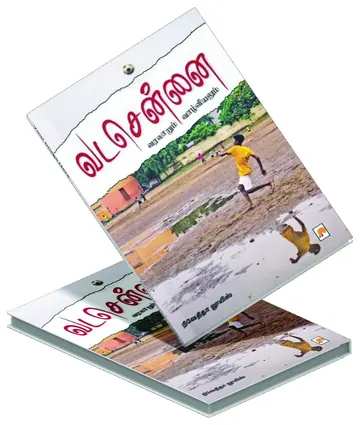
Vada Chennai: Varalarum Vazhviyalum
வடசென்னை: வரலாறும் வாழ்வியலும்
North Madras: History & Ethnography
The half of Chennai the city looks away from, and everything it has been missing.
North Chennai is spoken of as the working-class end of town, and too often not spoken of at all. Overlooked by the Corporation and misread by outsiders, it is in truth one of the most plural quarters in India: a kaleidoscope of faiths, trades and traditions laid down over centuries.
Here stands the country’s oldest working railway station. Here is the only Parsi fire temple in the state; a bhajanai mutt presided over by a priestess; the Kunangudi Masthan dargah, where the faithful are anointed with sacred ash from the Palani Murugan temple; Monegar Choultry, the first organised charity of Madras; the very ground where Dravidian ideology was born; and a church once turned into a hospital to fight a pandemic.
Yet the book’s true subject is people: the ordinary residents who sweep these crumbling buildings, teach in them for nothing, serve in them, and keep them alive in ways no heritage board ever planned. A model for how local history can be written, it won the SRM Tamizh Perayam Puthumaipithan Padaippilakkiyam Award and the Tha Mu Ea Ka Sa K. Muthiah Award for history writing.
Why it travels
- Twice award-winning, including a ₹1,00,000 literary prize
- Urban history told through people, in the tradition of the great city biographies
- A model for documenting overlooked neighbourhoods anywhere in the world
Details
- Original title
- வடசென்னை: வரலாறும் வாழ்வியலும்
- English title
- North Madras: History & Ethnography
- Author
- Nivedita Louis
- Publisher
- Kizhakku Pathippagam, 2021
- Original language
- Tamil
- Pages
- 264
- Format
- Demy
- Genre
- Non-fiction, subaltern & social history, local history
- ISBN
- 9788194932192